
Moving to Costa Rica? Renting a house in Costa Rica can be a wonderful experience, but the details may differ from what you are used to in the United States. From hot water systems and air conditioning to kitchen sizes, laundry facilities, and utility costs, understanding local housing differences can help you make a confident decision.
Whether you are looking for a rental in Atenas, Grecia, the Central Valley, or near the Pacific coast, knowing what to expect will help you find a home that suits your lifestyle and budget.
1. Hot Water in Costa Rica: Not Every Home Has It Throughout the House
One of the first differences American renters may notice is how hot water is supplied.
In the United States, many homes have a central water heater that supplies hot water to multiple bathrooms, the kitchen, and sometimes laundry facilities. In Costa Rica, hot water systems can work differently.
Depending on the property, you may find:
- Electric shower heaters: Often called duchas eléctricas or duchas de paso, these heat water at the shower itself. They are common in Costa Rican homes and may provide hot water only in the shower.
- Central hot water systems: Some newer homes and higher-end properties have a central water heater supplying several bathrooms and other fixtures.
- Hot water in selected areas: A home may have hot water in the shower but not at the kitchen sink or bathroom sink.
This is particularly important if you are accustomed to washing dishes with hot water or using hot water throughout your home.
When viewing a rental, ask whether hot water is available in every bathroom and at the kitchen sink. If this is important to you, make sure the arrangement is confirmed before signing the rental agreement.
2. Air Conditioning in Costa Rica: It Depends on the Location
Many people assume that every home in a tropical country will have air conditioning. In reality, air conditioning varies significantly depending on the climate, location, construction, and price of the property.
In coastal areas such as Jacó, Tamarindo, and other warmer regions, air conditioning is often an important feature. High temperatures and humidity can make it particularly desirable, especially at night.
In parts of the Central Valley, including Atenas and Grecia, many homes are designed to take advantage of natural ventilation. Open windows, covered terraces, ceiling fans, and cross-breezes can make a home comfortable without constant air conditioning.
However, temperatures and comfort levels vary by elevation, orientation, building materials, and the time of year. Even in areas known for pleasant weather, some bedrooms can become warm, particularly in homes with limited ventilation or direct afternoon sun.
Before renting, check:
- Does the property have air conditioning in every bedroom or only selected rooms?
- Is the living room also air-conditioned?
- Are ceiling fans available?
- Is the air conditioning included in the rent?
- Are electricity costs included, or will you pay separately?
- Are all air-conditioning units working properly?
A useful tip: Electricity costs can rise significantly when air conditioning is used frequently. If you prefer a cool home throughout the day and night, factor potential electricity expenses into your monthly budget.
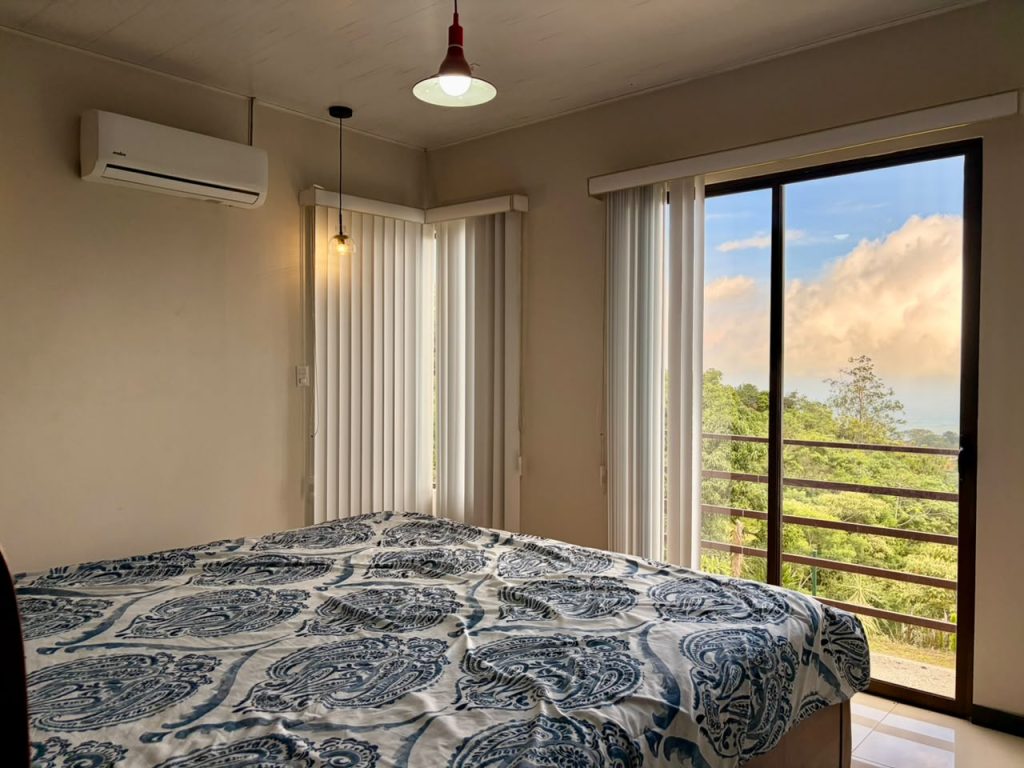
3. Why Rental Houses in Costa Rica Often Feel Smaller Than Homes in the USA
One of the biggest adjustments for American renters is the size and layout of Costa Rican homes.
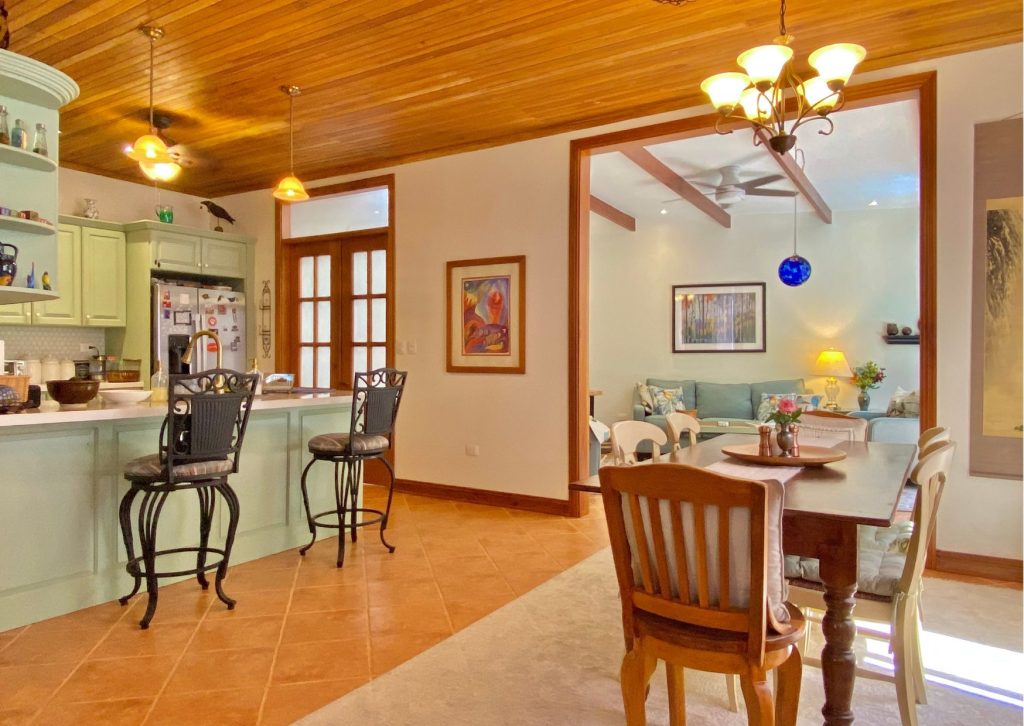
In many parts of the United States, especially suburban areas, houses may have large living rooms, spacious kitchens, walk-in closets, dedicated laundry rooms, garages, and multiple bathrooms. Costa Rican homes can have a different layout, with more emphasis on outdoor living and practical use of space.
This does not mean that all Costa Rican homes are small. Luxury properties and newer developments can offer generous living areas. However, renters may find that homes in a similar price range have less interior square footage than they would expect in the United States.
Here are some common differences:
Smaller kitchens
Kitchens may have less counter space, fewer cabinets, and a more compact layout. Large American-style kitchen islands and walk-in pantries are not standard in every property.
Smaller bedrooms and closets
Bedrooms may comfortably accommodate a bed and basic furniture but have less space for large dressers, desks, or additional seating. Built-in closets are common in many homes, but large walk-in closets are less universal.
Different laundry arrangements
Some houses have a dedicated laundry room, while others have a covered utility area or a small space for a washing machine. A dryer may not be included, and some households prefer air-drying clothes.
Less storage space
Large storage rooms, expansive garages, and basement storage are less typical in many Costa Rican homes. Basements are uncommon in much of the country, and garages may be smaller or designed primarily for parking rather than storage.
More outdoor living space
A smaller interior may be balanced by a covered terrace, garden, balcony, or outdoor dining area. In Costa Rica, these spaces can become an important part of everyday life.
When comparing properties, look beyond the number of bedrooms. Consider how much usable indoor space you need, whether your furniture will fit, and whether outdoor living areas are a priority.
4. Furnished Rentals: What Does “Fully Equipped” Really Mean?
Another important consideration is the difference between a furnished rental and a fully equipped rental.
In the United States, a furnished property may come with furniture, appliances, kitchenware, linens, and other household essentials. In Costa Rica, the meaning of amueblado (furnished) can vary from one property to another.
A furnished home might include beds, sofas, dining furniture, and basic appliances, but it may not include everything you need for daily life.
Before committing, confirm whether the rental includes:
- Refrigerator, stove, and microwave
- Washing machine and dryer, if needed
- Kitchen utensils, pots, pans, and dishes
- Bed linens and towels
- Air conditioning and ceiling fans
- Internet service and its speed
- Hot water arrangements
- Parking and outdoor furniture
If you are relocating internationally, a properly equipped home can save you considerable time and money while you settle into Costa Rica.
5. Electricity, Water, Internet, and Other Monthly Expenses
The advertised rental price is only one part of your housing budget.
In Costa Rica, some rental properties include certain utilities or services, while others require tenants to pay them separately. The arrangement depends on the landlord, the property, and the rental agreement.
For example, a property may include water, internet, and garden maintenance but charge electricity separately. Another rental may include all utilities up to a specified amount.
Before renting a house in Costa Rica, clarify which utilities and maintenance services are included in the rental price. Ask these questions before signing:
- Is electricity included in the monthly rent?
- Is water included?
- Is high-speed internet installed, and what speed is available?
- Is garden maintenance included?
- Are garbage collection and community fees covered?
- Is there a deposit or any additional move-in cost?
If you plan to work remotely, internet quality should be a priority. Availability and performance can vary by neighborhood and even between nearby properties, so verify the actual service available at the house.
6. Renting a House in Costa Rica: What to Look for in Atenas and Grecia
For people relocating to Costa Rica, Atenas and Grecia are popular options to consider in the Central Valley. Both offer access to local amenities while providing a different lifestyle from the country’s hotter coastal regions.
However, the right property depends on your priorities.
In Atenas, some homes offer mountain views, terraces, gardens, and opportunities to enjoy outdoor living. In Grecia, renters can find a variety of residential options, from compact homes to larger properties with outdoor space.
When viewing houses in either area, consider:
- Climate: Does the home stay comfortable with natural ventilation, or do you need air conditioning?
- Water and hot water: What system is installed, and which fixtures receive hot water?
- Space: Will your furniture, belongings, and daily routines fit comfortably?
- Access: Is the property close to supermarkets, schools, medical services, and your regular activities?
- Internet: Is the connection suitable for working from home?
- Maintenance: Who takes care of the garden, appliances, and other property needs?
A house that looks perfect in photographs may feel very different during an in-person visit. Whenever possible, inspect the property and confirm the practical details before making a commitment.
7. How to Choose the Right Rental Home in Costa Rica
The key to renting a house in Costa Rica successfully is understanding your priorities and choosing a property that fits your everyday lifestyle.
If you are moving from the United States, make a list of your non-negotiables before you start viewing properties. You might need air conditioning in every bedroom, hot water at the kitchen sink, a large workspace, reliable internet, or enough storage for your belongings.
Be clear about these requirements with your real estate agent. It is much easier to find the right property when your expectations are established from the beginning.
Also, remember that Costa Rica offers a wide range of housing styles and price points. A compact home with a beautiful terrace may suit one person perfectly, while a family may need more bedrooms, indoor living space, and dedicated storage.
The key is understanding the differences and choosing a home based on how you actually live.
Find Your Rental Home in Costa Rica
Relocating to Costa Rica should be an exciting experience, not a series of unexpected surprises. Understanding local construction styles, hot water systems, air conditioning, and property layouts can help you make a more informed decision and enjoy a smoother transition.
If you are considering renting a house in Costa Rica, I can help you explore rental options in Atenas, Grecia, and surrounding areas based on your needs, budget, and preferred lifestyle. At Gabrielle Cimon Real Estate, I help international renters explore housing options. My goal is to help you find a property that matches your needs, lifestyle, and expectations before you make the move.
Looking for a rental in Costa Rica? Get in touch to discuss your preferred location, budget, and must-have features so we can identify suitable options for your relocation.
Gabrielle Cimon Real Estate — By your side every step of the way.